I. Policy Statement and Goals
A. Purpose The Saints Peter & Paul School Wellness Policy is established to promote student health, well-being, and academic performance. This policy addresses the entire school environment, ensuring a consistent approach to nutrition education, physical activity, and all foods and beverages sold and marketed to students.
B. Leadership The Principal is the Wellness Policy Coordinator, who is responsible for managing and updating this policy.
II. Policy Components
A. Nutrition Promotion and Education
The school shall provide nutrition education and promotion that is interactive, age-appropriate, and consistent with the curriculum framework established by the New York State Education Department (NYSED).
- Goal: Incorporate nutrition education as an integral part of the classroom curriculum (e.g., Health, Science, Family and Consumer Science).
- Goal: Promote healthy food choices through posters, handouts, and announcements that reinforce the goals of the school meal programs.
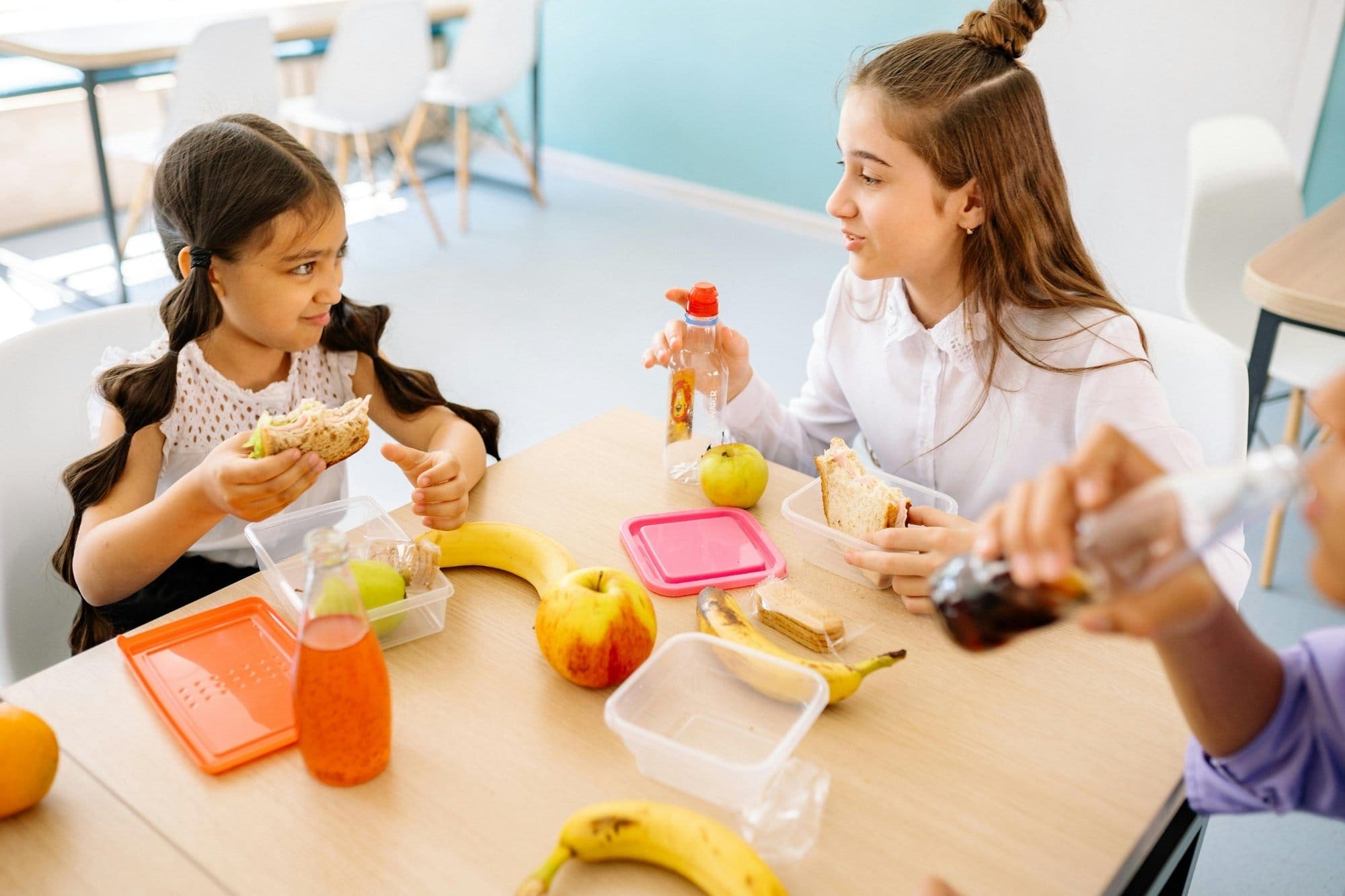
- Goal: Encourage student participation in the school breakfast and lunch programs.
B. Physical Activity
The school shall provide opportunities for physical activity across the curriculum and during non-instructional time.
- Goal: Ensure that all elementary students receive, at a minimum, the NYSED-required 120 minutes of physical education per week.
- Goal: Prohibit withholding participation in physical education, recess, or other physical activities as a form of punishment.
- Goal: Encourage brief, structured physical activity breaks during long periods of classroom instruction.
C. Nutrition Guidelines for All Foods and Beverages
All foods and beverages sold, provided, or marketed to students during the school day must comply with federal Smart Snacks in School standards, as implemented by NYSED’s rules.
1. School Meal Programs (NSLP/SBP)
The district will ensure that all school meals served meet or exceed the current nutritional standards established by the USDA.
2. Competitive Foods (Sold)
All foods and beverages sold during the school day (a la carte, snack lines, vending machines, school stores, fundraisers, etc.) must comply with the federal Smart Snacks in School guidelines. This includes specific restrictions on calories, sodium, fat, and sugar.
3. Other Foods (Provided)
- Classroom Parties/Celebrations: Limit classroom celebrations involving food to no more than [e.g., one per month per class] and encourage non-food celebrations and healthy snack options.
- Rewards/Incentives: Prohibit the use of food and beverages as rewards for academic performance or good behavior.
D. Food and Beverage Marketing
Marketing and advertising of food and beverages on school premises during the school day shall be permitted only if the food and beverages being promoted meet the Smart Snacks in School guidelines.
- This applies to signage, posters, scoreboards, vending machines, and all visible advertising.
III. Wellness Policy Implementation and Evaluation
A. Policy Leadership and Wellness Committee
- Wellness Committee: The district shall maintain a School Wellness Committee (SWC) that meets at least two times per year.
- Membership: The Committee must include a diverse representation of the school community, including: parents, students, the School Food Service Director, the Physical Education teacher, the School Health Services staff (nurse/psychologist), the school board, and administrators.
- Policy Review: The SWC is responsible for reviewing and updating the policy at least once every three years (triennial assessment).
B. Public Notification and Availability
- The school shall make this policy publicly available on the school website and/or in student handbooks, or periodic newsletters.
- The school shall inform the public annually about the content and implementation of the policy.
C. Triennial Assessment
The school shall complete an assessment of the Wellness Policy at least once every three years. The assessment must measure:
- The extent to which schools in the district are in compliance with the policy.
- The extent to which the district’s policy aligns with the model policy/guidance from the USDA and NYSED.
- A description of the progress made in attaining the goals of the wellness policy.
Date of Policy Adoption: 9/1/2025
Date of Next Triennial Assessment: 9/1/2028